


European Antique | Thick-Soled Simple Glass Cup (Height 70mm)
European Antique | Thick-Soled Simple Glass Cup (Height 70mm)
A quiet weight tells the story of a cup that has marked time
Product Description:
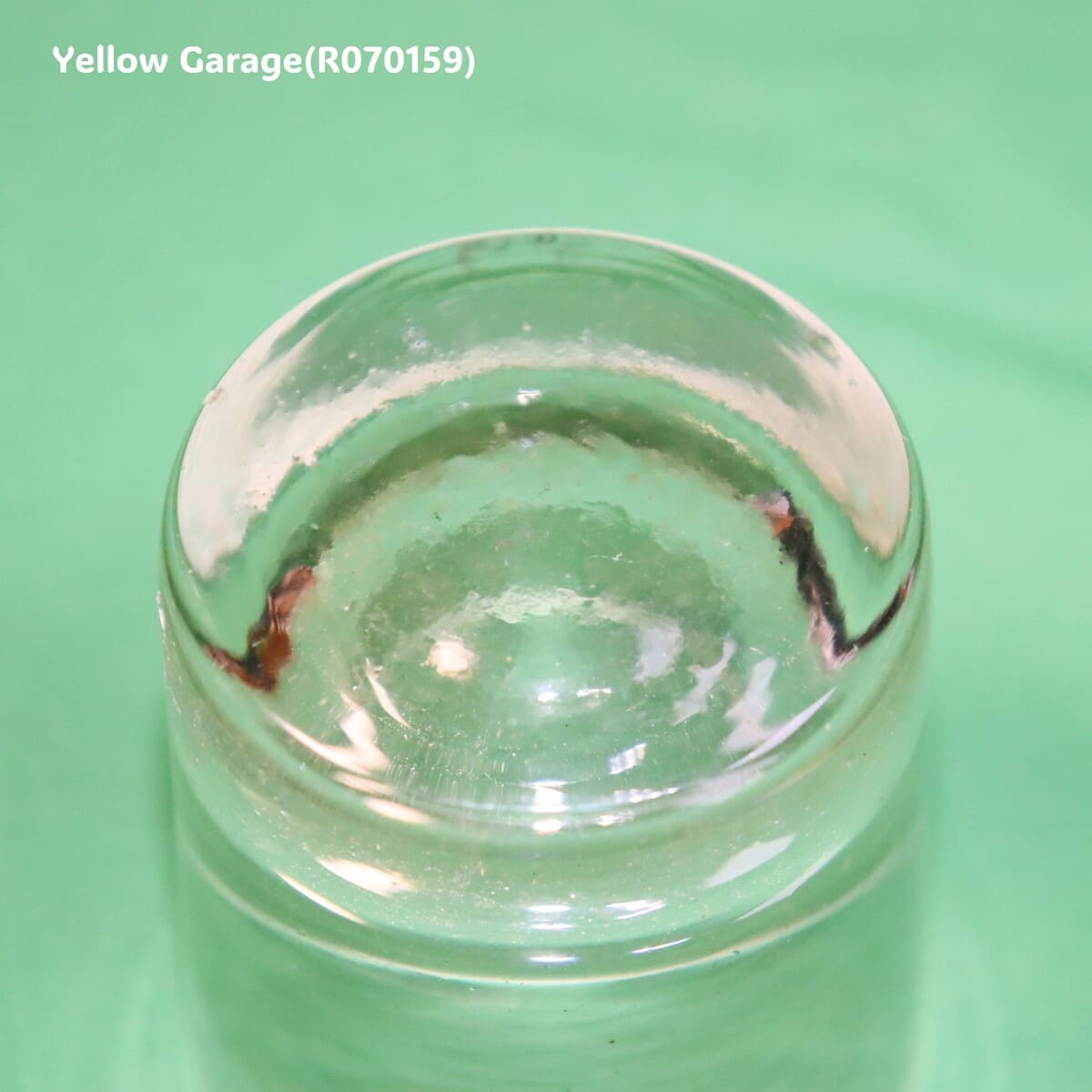
This is a vintage glass cup used in Europe. While compact at approximately 70mm in height, it has a sturdy, thick base, offering both stability and a sense of gravitas. Its unadorned, simple design combines the practicality of barware with the understated presence characteristic of antiques. The subtle scuffs and bubbles from age only add to its charm, making it a perfect item for creating a serene atmosphere. (R070159)
Specifications:
・Size: Approx. 70mm in height
・Material: Glass
・Place of manufacture: Europe (details unknown)
・Features: Thick base / Unadorned silhouette
・Condition: Good for a vintage item (minor scratches, bubbles, etc.)
Recommended Points:
・Simple, uncluttered beauty
・Excellent stability due to thick base design
・Ideal size for whisky or brandy
・Also pairs well with Nordic or minimalist interiors
・A striking item for display or as a photography prop
Special Notes:
Glass does not occur naturally but is created by artificially refining natural materials at high temperatures. The main raw material, silica sand (keisha), is sand rich in silicon dioxide (SiO₂), also known as quartz sand. Soda ash (sodium carbonate) is an additive used to lower the melting temperature; in ancient times, plant ash or seaweed ash was used. Lime (calcium carbonate) is used to increase the strength and durability of the glass. First, silica sand, soda ash, and lime are mixed (lead or metal oxides may also be added in some places). The high-temperature furnace, then called a "pot furnace," was a ceramic pot (crucible) where raw materials were melted at 1300-1500°C. Molten glass was wrapped around an iron blowing pipe and inflated by blowing into it (blown glass technique). Press molding, where glass is poured into a mold, also became popular from the late 19th century. To prevent cracking from rapid cooling, the glass is gradually cooled over several hours to days. Cut patterns and thick base processing were done by hand or with a rotating grindstone after cooling. The "bubbles" and "undulations" unique to antique glass are remnants of this handcrafted manufacturing method. Lead glass (crystal) contains lead to increase transparency and brilliance. This became popular in countries like England after the 18th century.
*Based on AI research.
Couldn't load pickup availability
Low stock: 1 left
View full details


発送・注意点
【発送について】
・ご注文確認後、通常 3営業日以内に発送いたします(土日祝・年末年始を除く)。
・ヤマト運輸または佐川急便にて発送いたします(配送業者の指定はできかねます)。
・商品のサイズ・重量に応じて、梱包形態や配送方法が変わる場合がございます。
【梱包について】
・商品の形状・素材に合わせて、丁寧かつ十分に保護した状態で梱包いたします。
・商品を損なわないよう、過剰包装は控えつつ安全性を確保しております。
・再利用資材(段ボール等)を一部使用する場合がございます。
【ご注意事項】
・それぞれの商品を使用していた時代を再現するために、AIが画像を生成しています。実際の商品とは異なることをご理解ください。
・当店の商品はすべて、実際に使用されていたアンティーク・ヴィンテージ品です。経年によるキズ・汚れ・変色・スレなどが見られる場合がございますが、これらは商品の風合い・個性としてご理解ください。
・コンディションについては可能な限り詳しく記載しておりますが、ご不明な点はご購入前にお問い合わせください。
・一点物につき、返品・交換は原則としてお受けしておりません(万一、誤配送や破損があった場合は速やかに対応いたします)。
