


1920s Antique Green Poison Bottle Apothecary Glass Vintage
1920s Antique Green Poison Bottle Apothecary Glass Vintage
Aesthetics of Danger
An Antique Glass Bottle Where Medicine and Warning Converge, A Unique Piece to Enhance Your Interior
Product Description:
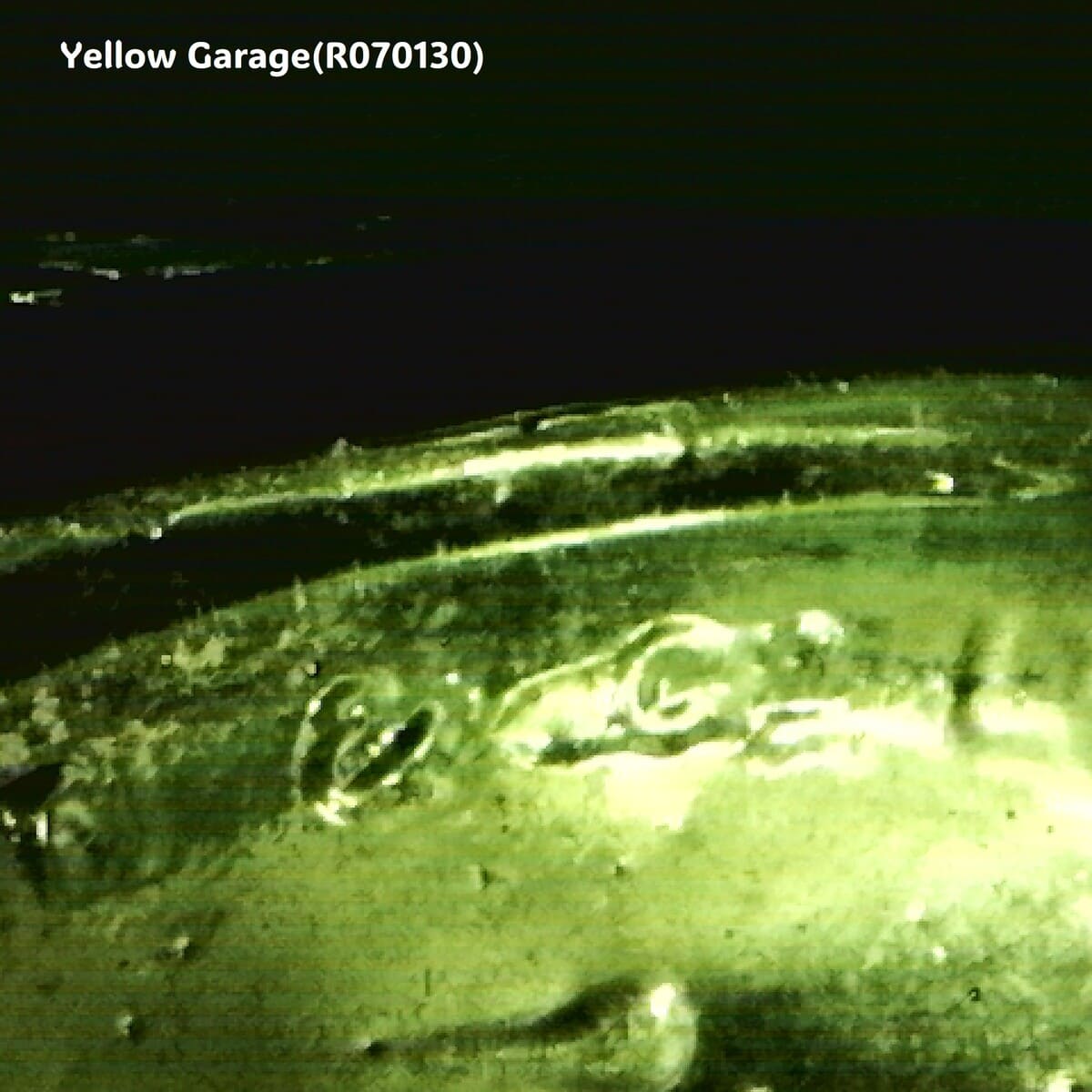
This rare green glass antique bottle was imported from Europe. The front features prominent "POISONOUS" and "NOT TO BE TAKEN" relief lettering, indicating its use as a medical container with clear visual warnings. The sides have vertical lines, a design serving both as a non-slip grip and for identification. The bottom is engraved with "5521 N&C LTD.," suggesting its manufacture in the early 20th century (likely 1920s-1930s). It was used for storing poisons, potent drugs, or disinfectants, evoking a sense of history from old pharmacy shelves and medical facilities. (R070130)
Specifications:
・Material: Green glass
・Size: Approx. Height 15.5cm × Width 6.5cm × Depth 4cm
・Weight: Approx. 210g
・Condition: Scratches and air bubbles due to age (no cracks or chips)
・Manufacturing Engraving: 5521 / N&C LTD.
・Estimated Era: 1920s-1930s
・Origin: Europe (details unknown)
Recommended Use:
Ideal for display and decoration in cafes, restaurants, bars, pharmacies, beauty salons, general stores, interior design shops, hotel lobbies, galleries, etc. Simply placing it on a shelf, counter, or in a showcase adds a vintage atmosphere and historical charm to any space. It can also be used as a single-flower vase or for small item storage.
Highlights:
・Perfect for pharmacy or scientific-themed interiors and displays
・A popular genre among antique collectors and medical item enthusiasts
・Appealing for its deep, substantial feel unique to green glass
・Beautiful form and texture visible from the back as well
・Unique for its clear message as a poison bottle
Special Note:
When we think of poison, we think of danger... and when we think of dangerous foods, we might imagine red or yellow. However, in the 19th and early 20th centuries, the color of glass products was often naturally determined by the metal components in the material, and intentionally creating red or yellow glass was very costly and technically difficult. Green glass naturally occurred easily with the inclusion of iron or chromium, and blue glass could be produced relatively cheaply by adding cobalt. Red glass, on the other hand, required expensive materials like gold or copper, and its production was highly challenging. In other words, "green and blue were suitable as materials for poison bottles that were inexpensive and easy to mass-produce." Poison bottles conveyed warnings not only through color but also through touch and shape. Vertical ribs (for non-slip grip) or embossed designs like skulls or 'X' marks were added to the bottles, and words like "POISON" or "NOT TO BE TAKEN" were prominently embossed. The emphasis was on "danger that can be felt" for night-time use or for those with visual impairments. Therefore, it was not always necessary to rely solely on a visually dependent approach like "red = danger." Green and amber glass also had UV-blocking properties, serving the purpose of preventing the degradation of chemicals. Colors were also chosen for their functionality.
※Based on research by AI.
Couldn't load pickup availability
Low stock: 1 left
View full details


発送・注意点
【発送について】
・ご注文確認後、通常 3営業日以内に発送いたします(土日祝・年末年始を除く)。
・ヤマト運輸または佐川急便にて発送いたします(配送業者の指定はできかねます)。
・商品のサイズ・重量に応じて、梱包形態や配送方法が変わる場合がございます。
【梱包について】
・商品の形状・素材に合わせて、丁寧かつ十分に保護した状態で梱包いたします。
・商品を損なわないよう、過剰包装は控えつつ安全性を確保しております。
・再利用資材(段ボール等)を一部使用する場合がございます。
【ご注意事項】
・それぞれの商品を使用していた時代を再現するために、AIが画像を生成しています。実際の商品とは異なることをご理解ください。
・当店の商品はすべて、実際に使用されていたアンティーク・ヴィンテージ品です。経年によるキズ・汚れ・変色・スレなどが見られる場合がございますが、これらは商品の風合い・個性としてご理解ください。
・コンディションについては可能な限り詳しく記載しておりますが、ご不明な点はご購入前にお問い合わせください。
・一点物につき、返品・交換は原則としてお受けしておりません(万一、誤配送や破損があった場合は速やかに対応いたします)。
