


Late 19th Century European Hand-blown Glass Tumbler | Thick-bottomed Antique Tumbler (7cm tall)
Late 19th Century European Hand-blown Glass Tumbler | Thick-bottomed Antique Tumbler (7cm tall)
The breath of the craftsman dwells in each piece.
Glassware that transcends time, becoming more cherished with every touch.
Product Description:
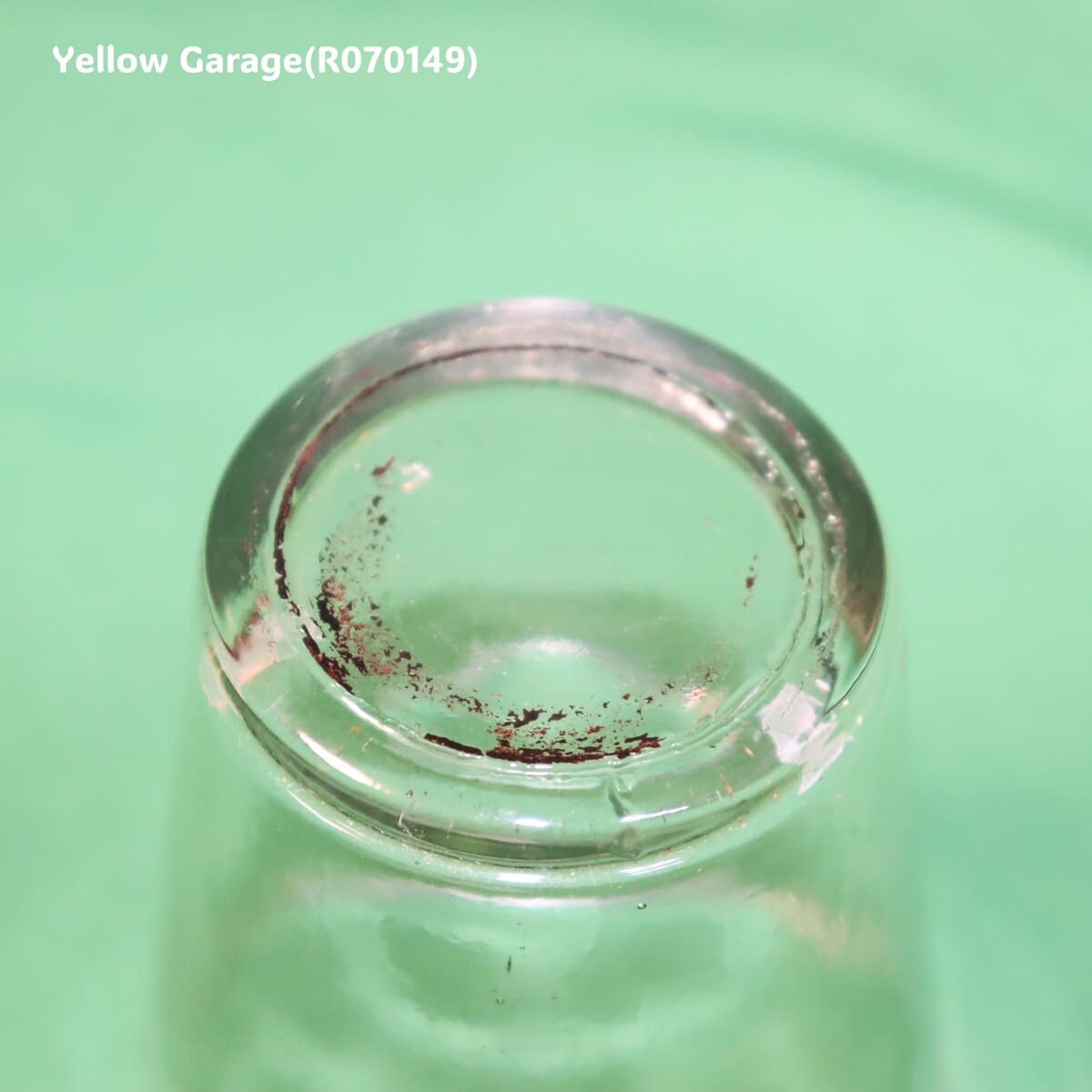
Antique European glass cups from the late 19th to early 20th century. Each one is hand-blown by craftsmen, and the individual variations are part of their charm. They have a substantial thickness and a charming, rounded form. The wear marks on the bottom and slight bubbles or unevenness on the rim tell the story of how these vessels were actually "used." Not only can they be used for drinks, but they also beautifully serve as small vases or candle holders, blending seamlessly into modern living. (R070149)
Specifications:
・Height: Approximately 7cm
・Mouth Diameter: Approximately 6cm (individual variations exist)
・Material: Hand-blown glass
・Color: Transparent (clear)
・Origin: Europe (country unknown)
・Manufacturing Period: Late 19th to early 20th century (estimated)
・Condition: Good as an antique
Recommended Points:
・The characteristic undulations of hand-blown glass softly reflect light.
・The value of a "one-of-a-kind" piece, no two are exactly alike.
・Small size makes it easy to display, and looks great when arranged in multiples.
・Perfect not only for practical use but also as a display item or photography prop.
・An item with a story, imbued with the atmosphere of its era.
Special Notes:
In the past, glass was considered as precious as jewels. With limited technology and materials, it was reserved for royalty, clergy, and aristocrats. Although glassware existed in ancient Egypt and Rome, mouth-blowing techniques were limited, primarily serving the upper classes. In medieval Europe, stained glass was used in churches, but household glass was far from common. Around the time of the 18th-century Industrial Revolution, lead glass (crystal glass) was invented in England, making it transparent and easier to process. Production gradually increased, yet it remained a luxury item for wealthy families. In the mid-19th century, "mold-blowing" using molds and semi-automatic machine manufacturing methods emerged in France, England, and Germany, enabling mass production of glass and making it affordable for ordinary people. From this period, glass cups, bottles, and lampshades began to appear in kitchens.
*Based on research by AI.
Couldn't load pickup availability
Low stock: 1 left
View full details


発送・注意点
【発送について】
・ご注文確認後、通常 3営業日以内に発送いたします(土日祝・年末年始を除く)。
・ヤマト運輸または佐川急便にて発送いたします(配送業者の指定はできかねます)。
・商品のサイズ・重量に応じて、梱包形態や配送方法が変わる場合がございます。
【梱包について】
・商品の形状・素材に合わせて、丁寧かつ十分に保護した状態で梱包いたします。
・商品を損なわないよう、過剰包装は控えつつ安全性を確保しております。
・再利用資材(段ボール等)を一部使用する場合がございます。
【ご注意事項】
・それぞれの商品を使用していた時代を再現するために、AIが画像を生成しています。実際の商品とは異なることをご理解ください。
・当店の商品はすべて、実際に使用されていたアンティーク・ヴィンテージ品です。経年によるキズ・汚れ・変色・スレなどが見られる場合がございますが、これらは商品の風合い・個性としてご理解ください。
・コンディションについては可能な限り詳しく記載しておりますが、ご不明な点はご購入前にお問い合わせください。
・一点物につき、返品・交換は原則としてお受けしておりません(万一、誤配送や破損があった場合は速やかに対応いたします)。
